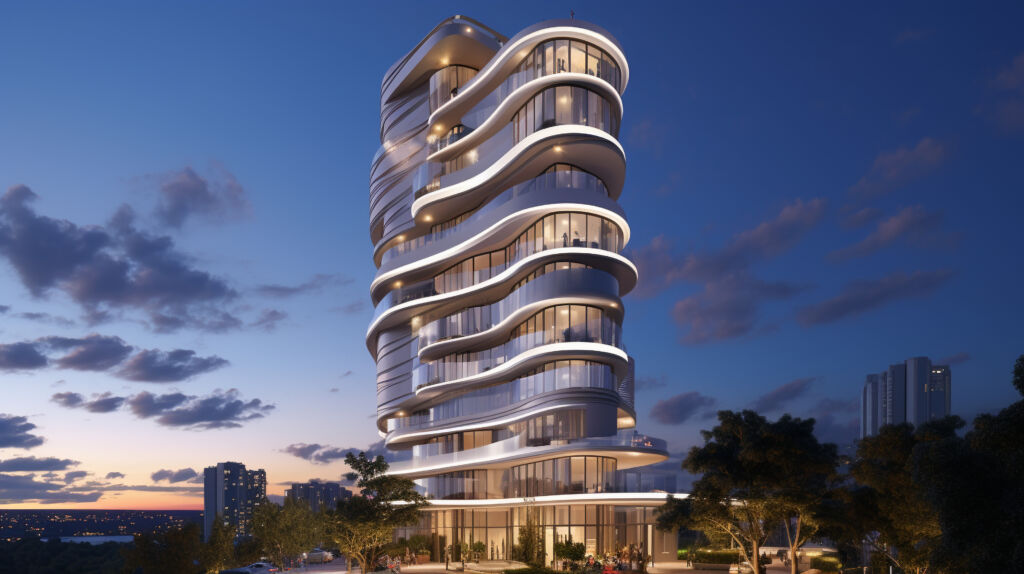
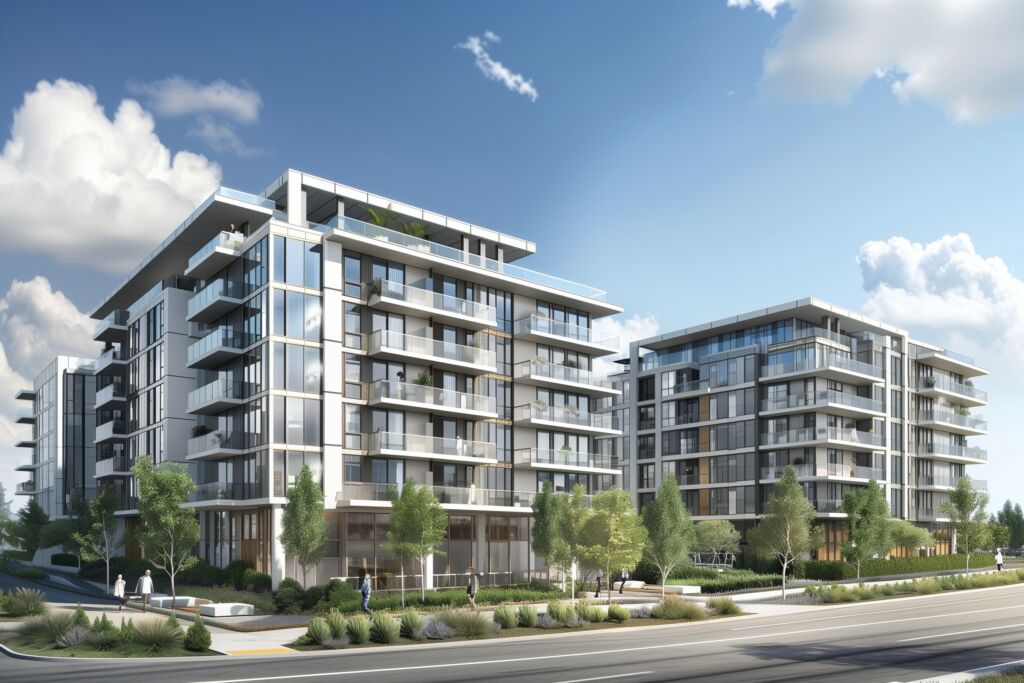
Oasis Tower in West Palm Beach
Over in Palm Beach County, Oasis Tower at 1415 Centrepark Blvd. shows how similar conversions play out in another market. This site is part of a business park that has traditionally been office-focused.
The approved project will feature 323 apartments, including workforce housing components, within a structured parking podium. City approvals paved the way for higher-density residential development, signaling strong municipal support for introducing housing into established office corridors.
How Zoning Gets Approved: The Nuts and Bolts
Converting office sites into apartments is more than a design exercise — it’s a regulatory process. Here’s a quick breakdown:
- Land Use & Zoning Review: Cities evaluate whether residential use aligns with their comprehensive plan and long-term growth strategy.
- Planning Board & Commission Hearings: Projects are reviewed publicly, allowing staff recommendations and community input.
- Conditions & Waivers: Approvals often include requirements related to height, parking, buffering, or workforce housing.
- Final Permitting: Once zoning is approved, developers can advance to detailed design, engineering, and building permits.
Why this matters?
Across South Florida, many office parks built in earlier economic cycles now sit under-utilized as hybrid and remote work patterns persist. Repurposing these sites for housing, especially in well-located employment corridors, helps cities meet housing needs, reduce sprawl, and activate underperforming land.
Projects like Plantation Crossroads and Oasis Tower show how zoning approvals are increasingly unlocking a new chapter for aging office districts.